

Drug possession charges in Louisiana can carry serious consequences, including fines, jail time, and a lasting criminal record. David E. Stanley, APLC, helps people in Baton Rouge and throughout Louisiana understand what these charges may involve and why taking action early can matter.
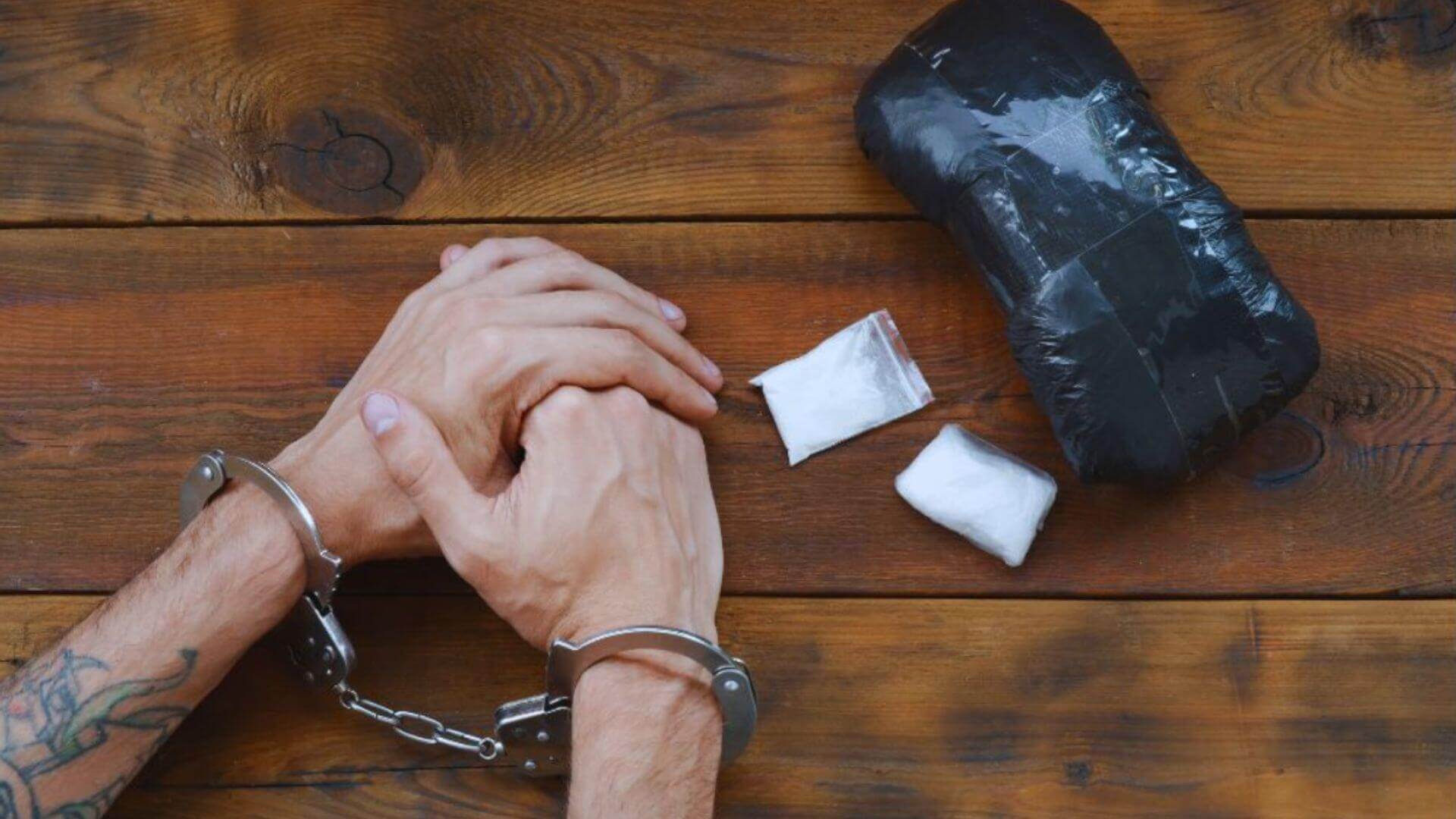
- Learn what drug possession penalties may involve
- Understand why these charges should be taken seriously
- Get legal guidance early after an arrest
Even a drug possession charge that seems minor can affect your future. The sooner you understand the legal risks and your options, the better prepared you can be to protect your rights.
How Serious Are Drug Possession Charges in Louisiana?
Table of Contents
ToggleLouisiana is known for taking drug offenses seriously. Depending on the substance involved, the amount allegedly possessed, and the facts of the case, a drug possession charge can lead to significant consequences. A person may face arrest, booking, court appearances, possible incarceration, and a criminal record that can affect future opportunities.
Even when the amount involved seems small, the charge itself can still have a major impact. A conviction may affect employment, housing, professional opportunities, and other aspects of daily life. That is why it is important to treat drug possession charges as a matter that deserves immediate attention.
What Can Affect Drug Possession Penalties in Louisiana?
The penalties for drug possession in Louisiana can depend on several factors. Not every case is the same, and the possible outcome may be influenced by the details involved.
The Type of Drug Allegedly Involved
Different substances may be treated differently under Louisiana law. The nature of the substance can affect how prosecutors approach the case and what penalties may be sought.
The Amount Involved
In some cases, the amount allegedly possessed can influence the severity of the charge. Larger amounts may raise more serious concerns and can sometimes lead to accusations beyond simple possession.
Prior Criminal History
A person with prior convictions may face more serious consequences than someone with no criminal history. Repeat allegations can increase the legal risk and may affect how a prosecutor or court views the case.
The Facts of the Arrest
How the arrest happened can also matter. Questions about the traffic stop, search, seizure, or handling of evidence may become important when building a defense strategy.
Whether Additional Charges Are Filed
Drug possession accusations may sometimes come with other criminal allegations. When that happens, the overall case can become more complex and the penalties may become more serious.
Possible Consequences of a Drug Possession Conviction
A drug possession conviction can create problems that go beyond the courtroom. People often focus first on fines or jail time, but the long-term effects can be just as damaging.
Possible consequences may include:
- jail or prison time
- fines and court costs
- probation or supervision
- a permanent criminal record
- damage to employment opportunities
- difficulty with housing or licensing issues
- harm to personal and professional reputation
For many people, the long-term impact of a conviction becomes one of the most difficult parts of the case. That is why early legal help matters.
Why You Should Take Drug Possession Charges Seriously

Some people make the mistake of assuming a possession charge is minor, especially if they believe the amount involved was small. That can be a costly mistake. A charge that seems manageable at first can still affect your future in significant ways.
Drug possession cases should be taken seriously because they may:
- leave a lasting mark on your record
- affect your freedom and finances
- create complications in court
- lead to harsher consequences if you have prior offenses
- become more difficult to manage if you wait too long to get help
The earlier you respond, the better chance you have to understand your rights and avoid avoidable mistakes.
What To Do After a Drug Possession Arrest
If you have been arrested for drug possession, the most important thing is to take the situation seriously and act carefully. Avoid making assumptions about the outcome of the case or saying too much before you understand your legal position.
Helpful early steps may include:
- staying calm and avoiding further statements
- keeping track of documents and court information
- seeking legal guidance as soon as possible
- preparing to understand the charges and possible penalties
- avoiding delays that could make the case harder to manage
Early action does not guarantee a specific result, but it can help you make better decisions and protect your interests sooner.
How David E. Stanley, APLC Can Help
If you are facing drug possession allegations, you should not have to navigate the process alone. David E. Stanley, APLC helps clients understand the charges they are facing, what penalties may be at stake, and what steps may help protect their interests.
The firm helps clients by:
- reviewing the facts of the case
- explaining the legal process clearly
- identifying issues that may affect the defense
- preparing clients for the next stages of the case
- providing guidance tailored to the specific situation
When the stakes are high, having an experienced criminal defense attorney can help you move forward with a clearer understanding of your options.
Service Areas
David E. Stanley, APLC, represents clients in Baton Rouge and surrounding communities throughout Louisiana. If you are facing drug possession charges, working with a lawyer who understands the legal process in the firm’s service areas can help you better prepare for what comes next.
Whether the charge involves a first-time allegation or a more serious situation, timely legal guidance can help you make more informed decisions from the start.
Frequently Asked Questions
What Factors Go Into Deciding Whether A Drug Charge Is A Misdemeanor Or A Felony?
A drug charge is punishable by hard labor and is considered a felony. For example, anyone convicted of possessing less than two grams of cocaine faces a jail sentence of a maximum of two years, with or without hard labor. In addition, they might potentially be fined up to $5,000. On the first conviction of a simple marijuana possession offense involving 14 grams or less, the offender faces a maximum fine of $300, a maximum sentence of 15 days in the Parish jail, or both. The only distinction is that simple possession of marijuana does not require hard labor. As a result, it’s a misdemeanor.
If Police Suspect A Drug-Related Offense, Can They Search A Vehicle Without A Warrant?
Without a warrant, an officer can search a car if he has probable cause to believe narcotics are present and there are exigent circumstances.
If I’m charged For A Drug Crime, Should I Hire An Attorney?
You should always seek counsel if you believe you are being investigated for a crime. In the event of a trial, you cannot use the fact that you hired an attorney against you. Whether or not you engage a lawyer early on will make no difference to a judge or jury; by giving helpful information or negotiating with the police officer, hiring an attorney before arrest may prevent you from being detained.
The Best Criminal Defense Attorney

If you are accused of having drugs on your person, you need to get a lawyer as soon as possible. You could get a long prison sentence or other harsh punishments if you don’t have an experienced lawyer on your side. David E. Stanley, APLC, has years of experience defending people accused of drug possession, and he will fight hard to get you the best outcome. So get in touch with us immediately to set up a free consultation.
David E. Stanley, APLC
1055 Laurel St #2, Baton Rouge, LA 70802, United States
225-926-0200
Disclaimer: This article is provided for general informational purposes only and does not constitute legal advice. You should not act or rely on any content herein without first consulting a licensed attorney in your jurisdiction. Viewing or interacting with this material—including submitting a form, sending a message, making a call, or leaving a voicemail—does not create an attorney-client relationship. That relationship is only established through a mutually executed engagement agreement. Legal requirements vary by jurisdiction and are subject to change. Always consult a qualified legal professional regarding your specific circumstances.
© All Rights Reserved.
The right David E. Stanley’s drug crime defense team can make a meaningful difference in the outcome of your case.