Your Trusted Criminal Defense Lawyer

Voluntary Statements to Police in Louisiana: Why Giving One Can Destroy Your Defense
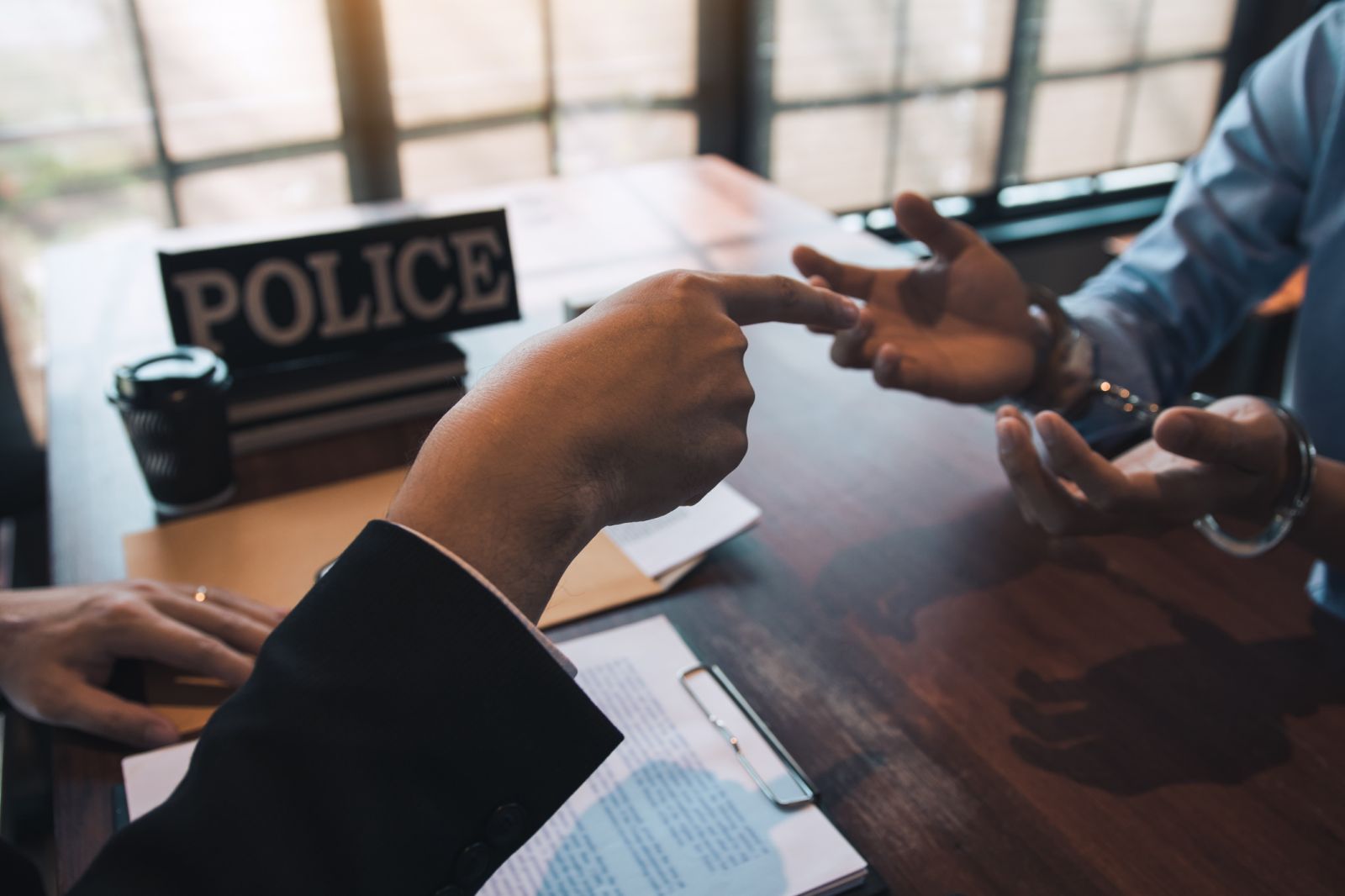
When investigators in Baton Rouge, New Orleans, or anywhere in Louisiana ask a person to provide a voluntary statement, many people assume they are not truly under investigation. That assumption is almost always wrong. In many serious felony investigations, detectives attempt to obtain confessions, incriminating admissions, or damaging statements before any arrest is made. A voluntary statement you give today can become the centerpiece of the prosecution’s case against you in the 19th Judicial District Court tomorrow.
What a Voluntary Statement Actually Is
Table of Contents
ToggleInvestigators use specific language designed to put you at ease. They will tell you they just want your side of the story. They will say this is your chance to explain things. They will tell you they only want to clear things up. They will assure you that you are not under arrest.
What they are doing is collecting evidence. In many Louisiana cases, the warrant for your arrest has already been signed. They are waiting for you to complete the interview before executing it. Former United States Supreme Court Justice Robert H. Jackson correctly stated: Any lawyer worth his salt will tell the suspect, in no uncertain terms, to make no statement to the police under any circumstances. As the Supreme Court recognized in Miranda v. Arizona, 384 U.S. 436 (1966), even voluntary pre-arrest interview environments create pressures capable of undermining constitutional protections.
What Police Are Actually Trying to Accomplish in a Voluntary Interview
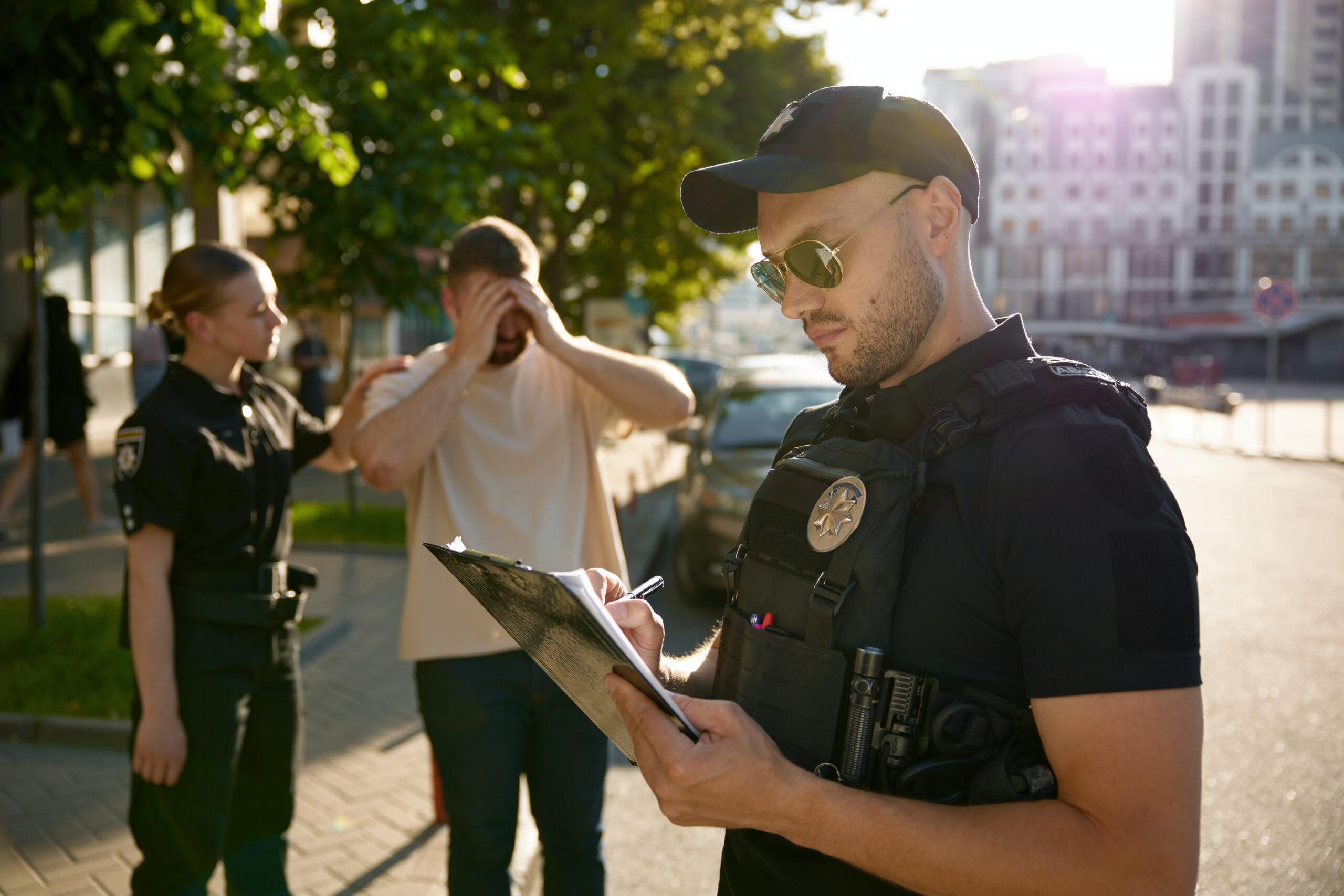
In voluntary pre-arrest interviews, investigators have specific goals that work against your interests: locking you into a version of events before you understand the full scope of the allegations; obtaining an admission that you were present at or near the scene; getting you to acknowledge an element of the offense; having you contradict evidence they already possess; and inducing you to consent to a search of your phone, vehicle, or home without a warrant.
In felony investigations involving homicide, sex offenses, drug trafficking, fraud, or federal conspiracy in Louisiana, voluntary interviews can have devastating long-term consequences. The statement you give may not seem important to you. It can be critically important to the prosecution.
What You Should Do If Police Request a Voluntary Statement in Louisiana
Do not speak with investigators before consulting with an attorney. Do not speak with them alone under any circumstances. Do not attempt to explain the situation or clarify any facts. Do not consent to any search without a valid search warrant. Immediately invoke your right to counsel: tell the investigators that you want an attorney and are not answering any questions without your attorney present in the room with you. Do not sign a waiver of any constitutional rights. Remain completely silent until your attorney arrives.
For detailed guidance on what to do when police contact you in any context, see the should you talk to police in Louisiana guide.
Common Mistakes People Make During Voluntary Police Interviews
- Explaining facts or clarifying details without realizing how the explanation will be used.
- Guessing about timelines, distances, or sequences of events and being wrong.
- Minimizing their own conduct in ways inconsistent with other evidence investigators already possess.
- Providing internally inconsistent statements that create credibility problems at trial.
- Consenting to phone or computer searches during or after the interview.
- Voluntarily turning over electronic devices without being compelled by a warrant.
- Trying to appear cooperative to avoid arrest when arrest is already planned.
What an Attorney Must Evaluate Before Any Voluntary Statement in Louisiana
An experienced Louisiana criminal defense attorney retained before any voluntary interview should evaluate whether the interview should occur at all; whether any immunity issues exist; whether constitutional protections are implicated; whether investigators already possess damaging electronic evidence they will use to confront you; and whether you are a target, a subject, or merely a witness in the investigation. These distinctions matter enormously to how the situation should be handled.
Frequently Asked Questions
If I give a voluntary statement to police in Baton Rouge, can it be used against me at trial?
Yes. Statements made during voluntary pre-arrest interviews are admissible at trial in most circumstances because Miranda warnings are generally only required for custodial interrogations. If you voluntarily agree to answer questions without being in custody, almost anything you say can be used against you. This is one of the most critical reasons to retain an attorney before any contact with investigators in Louisiana.
Can police pressure me into a voluntary statement by threatening arrest?
If police threaten to arrest you unless you agree to a voluntary interview, the interview may no longer be truly voluntary. An experienced defense attorney can evaluate whether any statement made under such circumstances was coerced and whether it should be suppressed. The safest approach is to refuse to speak without counsel present regardless of what investigators say or threaten.
I already gave a voluntary statement in Baton Rouge. What should I do now?
Stop speaking to law enforcement immediately and retain an experienced Louisiana criminal defense attorney as quickly as possible. Do not give follow-up statements. Do not attempt to correct, clarify, or supplement what you said. A skilled defense attorney can evaluate whether the statement was obtained in violation of your constitutional rights, whether it can be suppressed, and how to build a defense that accounts for what was already said.
Contact a Louisiana Criminal Defense Attorney Before You Say Anything
A voluntary statement given to police in Louisiana cannot be unsaid. The only way to protect yourself is to say nothing and retain experienced defense counsel immediately. David E. Stanley has represented individuals facing serious felony charges in Baton Rouge, New Orleans, East Baton Rouge Parish, and throughout Louisiana for more than four decades. Contact David Stanley now at (225) 926-0200 before you speak to anyone.
SEO NOTES
- La. R.S. 14:30 and 14:30.1 cited. Kennedy v. Louisiana (2008) cited for authority signal and death penalty searches.
- Felony murder rule and aggravating factors FAQ are the strongest featured snippet candidates — most thorough available for Baton Rouge.
- GBP post: ‘Charged with first or second degree murder in Baton Rouge? La. R.S. 14:30 carries the death penalty or life without parole. Early intervention changes outcomes. David Stanley, 40+ years. (225) 926-0200.’
David E. Stanley, APLC
1055 Laurel Street, Suite 2 Baton Rouge, LA 70802
225-926-0200
Disclaimer: This article provides general information and does not serve as legal advice. For legal concerns, consult a licensed attorney. Viewing or interacting with this content does not create an attorney-client relationship. This includes submitting a form, leaving a comment, sending a message, making a call, or leaving a voicemail. Laws may vary by jurisdiction. Laws are subject to change; always verify current legal requirements with a qualified professional. Remember that each case is different, the results of each case will vary, and that all videos posted on this website are not legal advice.
© All Rights Reserved.
Engagement Notice:
An attorney–client relationship with David E. Stanley, APLC, begins only upon a written agreement and retainer payment, confirmed in a signed engagement letter. Do not send confidential information until such an agreement is executed.
Jurisdictional Statement:
David E. Stanley, APLC, practices law exclusively within the State of Louisiana. Representation in other jurisdictions may involve association with local counsel.
Get a FREE confidential
20-minute consultation from David E. Stanley, APLC right now and protect your future.