Second Degree Murder | David E. Stanley, APLC - Criminal Defense Attorney, Baton Rouge

What You Need to Know About Second Degree Murder in Louisiana

What You Need to Know About Second Degree Murder in Louisiana

Second Degree Murder

In Louisiana, second degree murder is defined in La. R.S. 14:30.1 as the killing of a human being when (1) the offender has a specific intent to kill or to inflict great bodily harm; or (2) when the offender is engaged in the perpetration or attempted perpetration of specifically certain felony crimes including, but not limited to, first or second degree rape, aggravated arson, aggravated or second degree kidnapping, assault by drive-by shooting, armed robbery, first degree robbery, second degree robbery, simple robbery, terrorism, and other offenses listed in the statute, even though he has no intent to kill or to inflict great bodily harm; or (3) when the offender unlawfully distributes or dispenses a controlled dangerous substance listed in Schedules I through V of the Uniform Controlled Dangerous Substances Law, or any combination thereof, which is the direct cause of the death of the recipient who ingested or consumed the controlled dangerous substance; or (4) when the offender unlawfully distributes or dispenses a controlled dangerous substance listed in Schedules I through V of the Uniform Controlled Dangerous Substances Law, or any combination thereof, to another who subsequently distributes or dispenses such controlled dangerous substance which is the direct cause of the death of the person who ingested or consumed the controlled dangerous substance.

Suppose you or someone you love is facing a charge of second degree murder. In that case, you should immediately contact David E. Stanley, APLC, a highly skilled, knowledgeable, and experienced criminal defense attorney.

Are you seeking a Second Degree Murder
Defense Attorney in Baton Rouge, LA?

Contact David E Stanley, APLC, at (225) 926-0200 Today

What You Need to Know About
Second Degree Murder in Louisiana

What Are Some of the Second Degree Murder Scenarios in Louisiana?

second degree murder

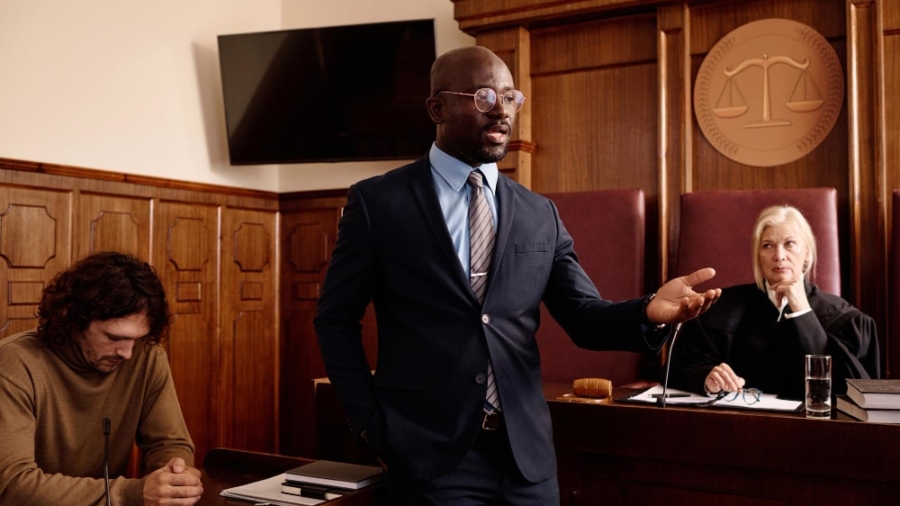
Second degree murder can occur in several different and distinct ways. Some of which require the killing of a human being when the offender has a specific intent to kill, or to inflict great bodily harm, on the victim.  An example might be when two people get in a fist fight outside of a bar, and one of them attempts to stop fighting, and withdraw from the fight, but the other person goes to his car, pulls out a firearm, and shoots the other unarmed person involved in the fight 

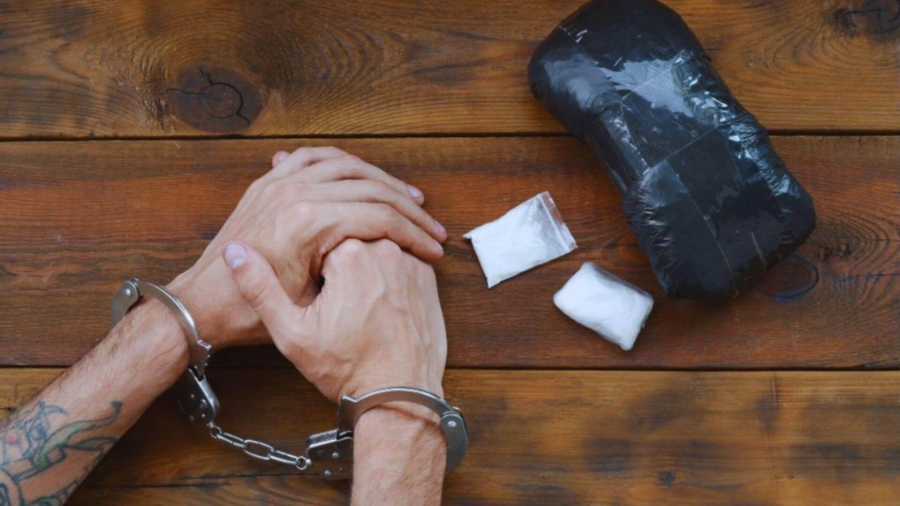
Second degree murder can also occur when the offender is engaged in the commission, or attempted commission of another serious felony crimes such as first or second degree rape, aggravated or second degree kidnaping, aggravated burglary, or armed robbery, even though the offender has no intent to kill or to inflict great bodily harm on the victim.  So, for example, if the offender breaks into someone’s home with the intent to commit a felony or theft, while armed with with a dangerous weapon, and a person inside of the home is killed, even though the offender has no intent to kill or to inflict great bodily harm on that person, the offender may be charged with second degree murder. As another example, if the offender distributes or dispenses fentanyl or heroin to another person, who then ingests or consumes that drug, and the ingestion or consumption of the drug is the direct cause of that person’s  death, then the offender may be charged with second degree murder. 

Regardless of the factual circumstances that result in a charge of second degree murder, there is essentially only one statutory penalty, and it is life imprisonment at hard labor without benefit of probation, parole, or suspension of sentence.

What Are the Possible Penalties for Second Degree Murder in Louisiana?

second degree murder

Someone facing a grand jury indictment for second degree murder in Louisiana should immediately contact and retain David E. Stanley, APLC. He is a highly skilled, knowledgeable, and experienced criminal defense attorney with his office located in Baton Rouge, Louisiana. 

Frequently Asked Questions 

  • How Many Years Do You Get for Second Degree Murder in Louisiana?

For a person found guilty of second degree murder, there is only one penalty, which is life imprisonment at hard labor without benefit of parole, probation, or suspension of sentence. With a possible exception for an offender who is under eighteen years of age when the crime is committed, parole, probation, or sentence suspension is not available to the offender.

  • Can Minors Be Charged with Second Degree Murder in Louisiana? 

Children who have not reached ten years of age are exempt from criminal responsibility but they are subject to the jurisdiction of juvenile courts as established by the Louisiana constitution and statutes.  But yes, minors can be charged with second degree murder in Louisiana if they meet the criteria for the offense.  For certain serious felony crimes, there are statutes that may allow juveniles that are 14 years of age or older, or 15 years of age or older, to be transferred from the juvenile courts and prosecuted as an adult in state district court subject to statutorily modified penalty provisions. 

  • Can Someone Be Convicted of Second Degree Murder Even Without the Victim’s Body Being Located in Louisiana?

Yes, it is possible to secure a conviction for second degree murder in Louisiana, even without the victim’s body. Still, the prosecution must present solid circumstantial evidence and demonstrate that the person is deceased.

  • Can a Second Degree Murder Conviction Be Appealed in Louisiana?

Yes, a person convicted of second degree murder in Louisiana has the right to a direct appeal of their conviction and sentence to the state appellate courts, the right to file a discretionary petition for a writ of certiorari to the Louisiana Supreme Court,   and conceivably to the United States Supreme Court if the case raises issues of federal constitutional law. 

Experienced and Aggressive Second Degree Murder Defense Attorney in Baton Rouge, LA

If you or your loved one has been charged with second degree murder, you know that the situation is serious and how much is at stake. The decisions that you make right now about who to hire as your attorney, and how to defend yourself, are critical. These decisions may change the outcome of the case and determine what the future will be like for you or your loved one.  The skill, knowledge, and experience of the defense lawyer you choose can make all the difference in your case.  You need to get David E. Stanley, APLC, started working on preparing your defense today. Contact him now to schedule a consultation for a defense strategy session on your second degree murder case.

Call David E. Stanley, APLC Now at (225) 926-0200


David E. Stanley, APLC
1055 Laurel Street, Suite 2
Baton Rouge, LA 70802
(225) 926-0200

If you are facing criminal charges in the Baton Rouge area, an experienced Baton Rouge violent crimes defense attorney can help protect your rights.

judge's gavel

What Is Carnal Knowledge of a Juvenile in Louisiana?

What Is Carnal Knowledge of a Juvenile in Louisiana?

Carnal knowledge of a juvenile is a criminal offense under Louisiana Revised Statutes 14:80. The charge involves sexual intercourse between a person and a minor who is below the legal age of consent but above certain statutory thresholds defined by Louisiana law.

Although the offense may not involve force or threats, it can still result in serious criminal charges. Depending on the age difference between the individuals involved, prosecutors may charge the offense as either a misdemeanor or a felony.

Understanding the legal definition of carnal knowledge and how Louisiana law treats these cases is important for anyone seeking information about this offense.

QUICK ANSWER

Carnal knowledge of a juvenile in Louisiana refers to sexual intercourse with a minor who is below the legal age of consent but above certain statutory thresholds defined by Louisiana Revised Statutes 14:80.

Depending on the circumstances, the charge may be classified as:

  • Felony carnal knowledge of a juvenile
  • Misdemeanor carnal knowledge of a juvenile

Penalties may include fines, probation, or imprisonment.

Misdemeanor Carnal Knowledge of a Juvenile

Carnal Knowledge Meaning in Criminal Law

The term carnal knowledge is a legal phrase historically used to describe sexual intercourse. In criminal law, its meaning depends on the statute in which it appears.

Many people searching for “carnal knowledge meaning” are looking for a simple definition. In general legal usage, the term refers to sexual intercourse between individuals. However, when used in criminal statutes, the phrase typically refers to sexual activity involving a minor.

Different states define the offense differently. In Louisiana, the term appears in Louisiana Revised Statute 14:80, which specifically addresses carnal knowledge of a juvenile.

Louisiana Law: RS 14:80 Carnal Knowledge of a Juvenile

Under Louisiana Revised Statute 14:80, carnal knowledge of a juvenile occurs when sexual intercourse takes place between a person and a minor who falls within certain age ranges defined by the law.

To establish the offense, prosecutors generally must show that:

  • sexual intercourse occurred
  • the victim was below the legal age of consent
  • the accused was older than the victim by a certain number of years
  • the conduct meets the elements outlined in the statute

This offense differs from more serious crimes, such as aggravated rape or sexual battery, because it typically involves situations where force or threats are not alleged.

However, the charge can still carry significant criminal penalties.

Felony Carnal Knowledge of a Juvenile

In some situations, prosecutors may charge the offense as felony carnal knowledge of a juvenile.

Felony charges generally apply when the age difference between the individuals involved exceeds certain thresholds defined by Louisiana law.

A felony conviction may carry more severe penalties, including longer jail sentences and higher fines.

Because these cases often involve detailed legal analysis of age differences and statutory definitions, they can become complex legal matters.

fist and woman crying

Misdemeanor Carnal Knowledge of a Juvenile

When the age difference between the individuals involved is smaller, prosecutors may classify the offense as misdemeanor carnal knowledge of a juvenile.

Although it is considered less severe than a felony charge, misdemeanor offenses can still result in:

  • fines
  • jail time
  • probation
  • a permanent criminal record

Even misdemeanor criminal charges can have long-term effects on employment opportunities, education, and personal reputation.

Penalties for Carnal Knowledge of a Juvenile in Louisiana

The penalties for carnal knowledge of a juvenile depend on how the offense is charged.

Potential consequences may include:

  • jail or prison sentences
  • fines
  • probation
  • counseling requirements
  • other court-ordered penalties

Because criminal penalties can vary depending on the facts of the case, it is important to review the specific details of the statute and the circumstances surrounding the allegations.

Why Carnal Knowledge Cases Can Be Legally Complex

Cases involving carnal knowledge of a juvenile often involve complex legal questions.

Some of the issues that may arise include:

  • determining the age difference between the individuals involved
  • interpreting the elements of the criminal statute
  • evaluating witness testimony
  • reviewing digital communications such as text messages or social media

Because of these complexities, criminal charges involving sexual offenses often require careful legal analysis and defense preparation.

What To Do If You Are Accused of Carnal Knowledge of a Juvenile

If you are facing allegations involving carnal knowledge of a juvenile in Louisiana, it is important to take the situation seriously.

Steps that may help protect your legal rights include:

  • avoiding discussions about the case with others
  • not speaking with investigators without legal counsel
  • preserving any communications that may be relevant
  • consulting a criminal defense attorney

An experienced attorney can evaluate the facts of the case and determine what legal options may be available.

Speak With a Baton Rouge Criminal Defense Attorney

Allegations involving sexual offenses can carry serious legal consequences and long-lasting effects on a person’s future.

Attorney David E. Stanley has extensive experience defending clients facing criminal charges in Louisiana courts.

If you are facing allegations involving carnal knowledge of a juvenile, contacting a criminal defense attorney can help you understand your rights and legal options.

📞 Call 225-926-0200 to schedule a confidential consultation.
Criminal attorney checking documents

Frequently Asked Questions 

What does carnal knowledge mean?

Carnal knowledge is a legal term traditionally used to describe sexual intercourse. In criminal law, the meaning of the term depends on the statute in which it appears.

What is carnal knowledge of a juvenile in Louisiana?

In Louisiana, carnal knowledge of a juvenile refers to sexual intercourse with a minor who is below the legal age of consent but above certain statutory thresholds defined by Louisiana Revised Statutes 14:80.

Is carnal knowledge a felony in Louisiana?

The offense may be charged as either a felony or a misdemeanor, depending on the age difference between the individuals involved and other circumstances defined by Louisiana law.

What Is the Statute of Limitations on Carnal Knowledge of a Juvenile in Louisiana?

In Louisiana, the statute of limitations for felony carnal knowledge of a juvenile is thirty years as provided by the Louisiana Code of Criminal Procedure Article 571.1. This thirty-year period begins to run when the victim reaches 18 years of age.

For misdemeanor carnal knowledge of a juvenile,  Louisiana Code of Criminal Procedure Article 572 provides that, unless the prosecution is instituted within 2 years after the offense has been committed.  However, prosecutions for any sex offense may be commenced beyond this time limitation if the identity of the offender is established after the expiration of such time limitation through the use of a DNA profile. A prosecution under the exception must be commenced within three years from the date on which the identity of the suspect is established by DNA testing. This exception has retroactive application to crimes committed prior to June 20, 2003. 

Should You Work With a Criminal Defense Lawyer in Louisiana?

It is highly recommended that you work with a knowledgeable and experienced criminal defense lawyer if you are charged with carnal knowledge of a juvenile in Louisiana. In most cases, a criminal defense lawyer can help you avoid or lessen penalties by guiding you through every stage of the legal process. In addition to speaking on your behalf, your attorney can gather, evaluate, and introduce favorable evidence on your behalf, prepare and submit pretrial motions on your behalf seeking to quash the charges or suppress the evidence against you, and improve your odds of a successful outcome

You should not attempt to represent yourself in court, especially if you are charged with a felony sex crime. Legal representation from a licensed criminal defense lawyer will assist you in avoiding mistakes that could result in severe and expensive consequences. David E. Stanley, APLC, can assist and defend your rights.

David E. Stanley, APLC – Criminal Defense Attorney, Baton Rouge
1055 Laurel St #2, Baton Rouge, LA 70802
(225) 926-0200

Learn how a dedicated sex crimes defense attorney in Baton Rouge at David E. Stanley, APLC can build your defense.

David-E.-Stanley-APLC-Penalties-for-Drug-Possession-in-Louisiana

Penalties For Drug Possession In Louisiana

Drug possession charges in Louisiana can carry serious consequences, including fines, jail time, and a lasting criminal record. David E. Stanley, APLC, helps people in Baton Rouge and throughout Louisiana understand what these charges may involve and why taking action early can matter.

A 100-dollar bill highlighted in UV light

Five Common Questions When Caught with Counterfeit Money

Five Common Questions When Caught with Counterfeit Money

Counterfeit Money Crime

Counterfeiting involves creating fake currency or altering real money—an offense taken very seriously because it threatens the U.S. economy. If you are caught using counterfeit bills or charged with any crime related to false money, authorities may arrest you and pursue harsh penalties. Act quickly to build a strong defense—contact David E. Stanley, APLC, for dedicated criminal defense representation.

💡 Get Immediate Legal Help – Call (225) 926-0200 Now!

🔹 Over 40 Years of Criminal Defense Experience
🔹 Proven Track Record of Success in Counterfeiting Defense
🔹 Aggressive, Strategic Defense to Protect Your Future

Questions About Finding Counterfeit Money in Your Possession

  • What To Do If You Find Counterfeit Money?

Sometimes, you may accidentally come into contact with counterfeit money through no fault of your own. You should not return a bill to the person who handed it to you if it doesn’t appear proper. Instead, you should report the counterfeit to the local police or the United States Secret Service field office.

If a cop or a special agent from the U.S. Secret Service approaches you to collect the counterfeit money, follow their orders and hand it over only after they have been appropriately recognized.

A woman opens her wallet and holds a 100 dollar bills
  • What Happens If You Try to Spend a Fake Banknote Without Realizing It?

Counterfeit money does circulate through the U.S. economy daily. Smaller banknotes, such as ones and twenties, are rarely authenticated. Upon discovering a counterfeit bill, you must take action as soon as possible to protect yourself.

Remember that the cashier or anyone else engaged in the transaction cannot know if you’re attempting to pass a counterfeit bill off as real money. So they might call the cops and have you arrested for having the money on your person.

You could face severe charges at that time; therefore, it’s essential to ask to talk with your attorney and to remain silent about the situation. You should not be punished if you were unaware that a banknote was forged or counterfeited.

  • What are the Penalties for Possessing Counterfeit Money?

The possession of printed reproductions (including images) of the national currency, postage stamps, or U.S. securities, as well as the creation of counterfeit notes or coins or alteration of genuine currency, come with a punishable fine and/or 15 years in jail. In addition, forgery, trafficking, or manipulation of U.S. bonds or checks can result in ten years in prison or a hefty fine.

  • What Defense To Utilize In Counterfeiting Cases?

You can utilize several defenses if charged with using counterfeit money. However, to be convicted, the prosecutor must prove that you committed the offense beyond a reasonable doubt, just like any other criminal accusation. As a result, the most common defense in situations involving counterfeit currency is a lack of information or reason.

Your counsel will use this argument to persuade the jury or court that you were unaware you were using counterfeit money. As a result, you had no intention of defrauding the cash receiver.

Magnifying glass to see 100-dollar bills

In addition, the prosecutor can refute your claim of ignorance by arguing that your actions suggested you knew the money was counterfeit. The prosecutor may point out that you acted strange when using fake money. Your attorney can use witnesses’ testimony that you were nervous during the process to bolster your claim.

  • What Immediate Action Should be Taken when Caught with Fake Money?

If you have been charged with using counterfeit currency, you should contact an attorney as quickly as possible. You could face a lengthy jail sentence if convicted of distributing counterfeit money under state or federal law. An attorney will examine your case and consider all options for defending you. They will also assist you throughout the criminal justice process. It’s important because there’s a good chance you won’t be able to defend yourself in court. They will protect your rights and ensure you receive the best possible outcome in your case.

Frequently Asked Questions:

What Does Counterfeit Money Do?

Counterfeit money is created without the State’s or government’s legal approval, usually in an attempt to imitate that currency and deceive its recipient. Producing or utilizing counterfeit money is deception or forgery punishable by law.

What is the Most Counterfeit Money?

According to the Federal Reserve Bank of Boston, the U.S. dollar is the most widely counterfeited currency in the world.

What Does the Government Do to Prevent Counterfeiting?

To prevent counterfeiting, the government brings in the Secret Service. When false bills are discovered, the Secret Service takes over. The U.S. Bureau of Engraving and Printing says that counterfeiting Federal Reserve notes is a federal offense punishable by a $15,000 fine, 15 years in jail, or both.

Credible And Experienced Defense Lawyer

You should immediately contact an attorney if you’ve been accused of using counterfeit money. Call David E. Stanley, APLC, a seasoned criminal defense attorney with more than 40 years of experience. A conviction for passing fake money under federal or state law can result in a significant jail sentence. Mr. Stanley will assess your case and look into any defenses to the charge. He is dedicated to providing crucial counsel throughout the criminal process while safeguarding your freedom and ensuring the best possible resolution for your case.

David E. Stanley, APLC
1055 Laurel Street Suite 2
Baton Rouge, LA 70802
225-926-0200

Learn how a dedicated federal criminal defense attorney in Louisiana at David E. Stanley, APLC can build your defense.

Property Crimes

Five Different Felony Property Crimes You Should Know About

Felony Property Crimes in Louisiana can include theft, burglary, robbery, arson, and serious property-damage offenses. Depending on the charge, the value involved, and the facts of the case, a conviction can lead to substantial fines, jail or prison time, restitution, and a permanent criminal record. Under Louisiana law, several property offenses become felonies based on the amount of loss, the use of force, the type of property involved, or the manner in which the offense allegedly occurred.

A judge's gavel

Five Defense Techniques That May Help Reduce a Criminal Sentence in Louisiana

QUICK ANSWER
Several defense strategies may help reduce a criminal sentence in Louisiana, depending on the case. These may include negotiating a favorable plea agreement, presenting mitigating circumstances, showing acceptance of responsibility, documenting rehabilitation efforts, and highlighting facts that support a lesser sentence. Because sentencing outcomes depend on the exact offense, criminal history, and the judge’s discretion within the law, these issues should be evaluated carefully in each case.

Five Defense Techniques That May Help Reduce a Criminal Sentence in Louisiana

A criminal case does not always end when a verdict is returned. In many cases, sentencing is one of the most important stages of the process. The facts presented at sentencing, the way mitigating circumstances are developed, and the strategy used before that hearing can all affect the outcome. In Louisiana, sentencing may involve statutory ranges, aggravating and mitigating factors, plea negotiations, victim-impact information, and other case-specific issues.

If you are facing criminal charges or sentencing exposure, it is important to understand that there may be legal strategies that help reduce the sentence imposed. The right approach depends on the charge, your record, the facts of the case, and how early the defense begins building the sentencing presentation.

Why Sentencing Strategy Matters in a Criminal Case

For many defendants, the primary goal is to avoid a conviction altogether. But when a conviction is possible or a guilty plea is being considered, sentencing becomes a critical part of the defense. A strong sentencing presentation may help the court see the full context of the offense, the defendant’s background, and the reasons a lesser sentence may be appropriate.

In Louisiana, sentencing is not always automatic in the practical sense people assume. The court may need to consider the charge, any mandatory minimums, the facts established in the record, and additional information presented before sentencing. In some cases, the court also receives information through a presentence investigation.

That means a defense lawyer is not just defending the charge itself. The lawyer may also be building the argument for a lighter sentence if the case reaches that stage.

1. Present Mitigating Circumstances

One of the most important ways to seek a lower sentence is to present mitigating facts.

Mitigating circumstances are facts that do not excuse the offense but may help explain what happened or support a lesser penalty. Depending on the case, that may include lack of prior criminal history, unusual life stress, mental health concerns, addiction issues, family responsibilities, military service, employment history, or other facts that put the offense in context.

Mitigation is often case-specific. A sentencing court may view the case differently when the defense can show that the offense did not arise out of long-term criminal intent, predatory planning, or repeated conduct. A carefully prepared mitigation presentation can help show the difference between a serious mistake and a pattern of ongoing danger.

2. Show Genuine Acceptance of Responsibility

In some cases, acceptance of responsibility can matter at sentencing.

That does not mean a person should admit guilt when a valid defense exists. But when a case is resolved by plea or when the evidence is strong, it may help to show the court that the defendant is taking the matter seriously, understands the consequences, and has taken steps to move in a better direction.

Examples may include:

  • beginning counseling or treatment
  • addressing substance-abuse issues
  • maintaining employment
  • complying with bond conditions
  • completing classes or rehabilitation programs
  • demonstrating respectful conduct throughout the case

These kinds of facts do not guarantee leniency, but they may help support the argument that a lesser sentence can still serve the goals of punishment, deterrence, and rehabilitation.

Criminal defense attorney explaining five defense techniques that may help reduce a criminal sentence in Louisiana to a client

3. Use Plea Negotiations Strategically

In some cases, a plea agreement may help reduce sentencing exposure.

Prosecutors may offer negotiated resolutions to avoid the uncertainty and expense of trial. Depending on the facts, a plea agreement may involve a reduced charge, a sentencing cap, dismissal of other counts, or a more favorable recommendation at sentencing. Whether that is a good option depends on the strength of the evidence, the potential penalties, and the long-term consequences of the plea.

A plea should never be treated casually. A guilty plea can carry lasting consequences, and in many cases it may be difficult to undo later. It may also affect appeal rights and limit later challenges to certain issues. That is why plea negotiations should be evaluated carefully with defense counsel before any decision is made.

4. Highlight Personal History and Rehabilitation Efforts

A person is more than the charge listed in a bill of information or indictment. At sentencing, it may be important to show the court the full picture.

Relevant facts may include:

  • no prior felony record
  • stable employment history
  • family support
  • efforts at education or training
  • treatment for addiction or mental health issues
  • community involvement
  • compliance while on release

For a first-time offender in particular, the defense may be able to argue that long-term incarceration is not necessary to protect the public and that rehabilitation is a realistic goal. That argument becomes stronger when it is supported by documentation, treatment records, letters of support, and a clean history before the arrest.

5. Challenge Overstatements About Harm, Intent, or Risk

Sentencing is not only about presenting favorable facts. It is also about pushing back when the prosecution overstates the seriousness of the conduct, the degree of harm, or the likelihood of future danger.

Depending on the case, the defense may be able to argue:

  • the conduct was less serious than alleged
  • no physical injury occurred
  • the accused did not act with the level of intent the prosecution suggests
  • the event was isolated rather than part of a broader pattern
  • the defendant’s role was limited compared with others involved
  • certain facts make the prosecution’s sentencing position too severe

This does not mean minimizing the case without support. It means making sure the court hears an accurate and balanced account rather than a one-sided version that pushes for a harsher sentence than the facts justify.

What Courts May Consider at Sentencing

Every case is different, but sentencing may involve factors such as:

  • the nature of the offense
  • the defendant’s prior criminal record
  • whether the offense involved violence or threats
  • the impact on any victim
  • the defendant’s personal history and background
  • treatment needs or rehabilitation potential
  • whether there was cooperation or compliance during the case
  • whether the sentence must follow specific statutory requirements

Some offenses in Louisiana carry mandatory sentencing provisions or other restrictions that can limit the court’s flexibility, which is why charge-specific legal review is important from the beginning.

Criminal defense lawyer discussing felony property crimes with a client

Why Early Defense Work Can Matter

The best sentencing arguments usually do not appear at the last minute.

A strong defense often starts preparing for sentencing long before trial or plea. That may include gathering records, identifying mitigation witnesses, preserving favorable evidence, addressing treatment issues early, and making strategic decisions that reduce unnecessary sentencing exposure.

In many cases, early legal intervention can affect both the charge itself and the final penalty risk. Even when the evidence is serious, the right defense work may improve the position from which the case is resolved.

Speak With a Baton Rouge Criminal Defense Attorney

If you are facing criminal charges in Louisiana, sentencing exposure should be taken seriously from the start. A conviction can carry consequences far beyond jail or prison time, and the way the case is handled before sentencing can make a major difference.

David E. Stanley, APLC defends clients facing serious criminal charges in Louisiana, including complex felony matters, appeals, and other high-stakes cases. If you are under investigation, have been charged, or are concerned about the sentencing phase of your case, getting experienced legal counsel early may help protect your rights and your future.

📞 Call 225-926-0200 to schedule a confidential consultation.
Judge reading legal documents

Frequently Asked Questions

What can help reduce a criminal sentence in Louisiana?

Possible factors may include mitigating circumstances, rehabilitation efforts, acceptance of responsibility, favorable plea terms, limited criminal history, and facts showing that the conduct was less serious than the prosecution claims. The effect of those factors depends on the specific offense and the applicable law.

Can a plea bargain lead to a lighter sentence?

Yes, in some cases. A plea agreement may reduce sentencing exposure by resolving the case on more favorable terms than a trial conviction would carry. But whether a plea is the right choice depends on the evidence, the charge, and the long-term consequences.

Do first-time offenders get lighter sentences in Louisiana?

Not automatically. But in some cases, a lack of prior criminal history may support an argument for a lesser sentence, especially when combined with strong mitigation and evidence of rehabilitation.

Can mental health or addiction issues matter at sentencing?

They can, depending on the facts. Mental health conditions, addiction, trauma history, and treatment efforts may all be relevant mitigation issues when properly documented and presented to the court.

When should you talk to a criminal defense attorney?

As early as possible. Early representation may help protect your rights, preserve evidence, guide plea discussions, and build a stronger position for trial or sentencing.

David E. Stanley, APLC – Criminal Defense Attorney, Baton Rouge
1055 Laurel St #2, Baton Rouge, LA 70802
(225) 926-0200

If you are facing criminal charges in the Baton Rouge area, an experienced experienced Baton Rouge criminal defense attorney can help protect your rights.