


What Are Sex Crime Cases in Baton Rouge?
A sex crime accusation in Louisiana can involve a wide range of charges under state law, such as rape, sexual battery, indecent behavior with juveniles, molestation of a juvenile, or offenses involving unlawful sexual images or materials, depending on the specific statute alleged. Each case is unique, and resolution timelines vary based on specific details. Because timelines vary, many people choose to speak with a defense attorney early to better understand what to expect in their situation. Speaking with a defense attorney early can help ensure that procedural deadlines are identified and addressed in a timely way.
Louisiana criminal procedure includes filing deadlines, discovery rules, and evidentiary requirements. In Baton Rouge, crowded dockets can also slow hearings and trial settings. A sex crimes defense attorney can explain the typical stages of a case and what commonly affects timing, though no exact timeline can be guaranteed. An experienced lawyer can also clarify complex terms and explain what each step means for your case.
Common Types of Sex Crime Charges
Sex crime charges cover various allegations under Louisiana law, and the specific type of charge greatly affects the case’s duration. Your defense attorney will review the exact charge and work with you to develop an appropriate defense strategy based on the facts and law. Common examples include:
- Rape or sexual battery (depending on the statute alleged)
- Possessing or distributing unlawful sexual images or materials (including allegations involving minors)
- Indecent behavior with juveniles
- Internet-related solicitation or other online offenses
How Long Do Sex Crime Cases Usually Take?
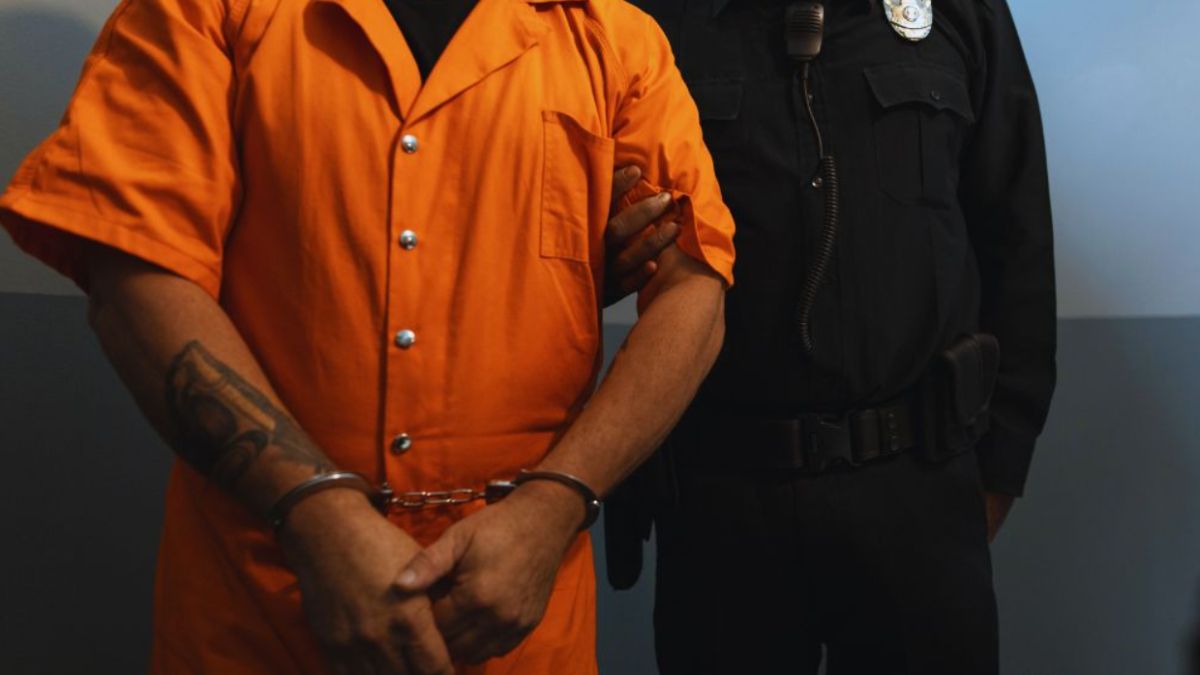
There isn’t one simple answer to how long a sex crime case takes. Some Louisiana sex crime cases resolve in a matter of months, while others can extend for a year or longer; these are general examples and not predictions about any particular case. Your timeline depends on several factors that your attorney will identify from the start, such as charge severity, amount of evidence, and court scheduling. Keeping these factors in mind can provide general context as you discuss potential timelines with your attorney.
The Seriousness of the Charges
The seriousness of the charges strongly influences the timeline. More severe accusations involve higher penalties, prompting deeper investigations and more court hearings. These cases may require professional testimony and a thorough review by prosecutors. For example, a hypothetical aggravated case would move more slowly due to careful preparation by all legal parties.
How Much Evidence Does the Prosecution Have?
In many Louisiana criminal cases, a larger volume of evidence — such as digital records, multiple witness statements, or technical reports — can contribute to a longer overall timeline because more material must be reviewed, disclosed, and addressed in court. When digital records, numerous witness statements, and extensive reports must be reviewed, more court time and preparation are required, extending timelines. Complex or disputed evidence also means judges may allocate more time for examination.
A sex crimes defense attorney in Baton Rouge can review the evidence and discuss available procedural options with you, bearing in mind that court scheduling and legal requirements ultimately control the pace of the case.
Whether the Case Resolves with a Plea Deal or Goes to Trial
Whether the case resolves with a plea deal or goes to trial is a decision made with your attorney. Trials require jury selection, witness testimony, and multiple court dates, which can extend the process. Plea discussions offer a quicker resolution, but require agreement from both sides and a thorough case analysis.
The Workload of the Baton Rouge Court System
The Baton Rouge court system handles many cases at once, causing delays that directly extend timelines. Court schedules, judge availability, and busy dockets can postpone hearings and final decisions by weeks or months, even in well-prepared cases. These systemic delays are common, not a reflection on your case. To manage timeline uncertainty, some people find it helpful to keep a simple record of court dates, deadlines, and attorney updates to better understand the procedural status of the case.
Stages of a Sex Crime Case in Louisiana
In many Louisiana criminal cases handled by a defense attorney in Baton Rouge, the matter typically moves through several common stages, each of which can affect the overall timeline, though the exact path varies from case to case. Understanding the expected duration of each step—investigation, arrest, arraignment, pre-trial motions, trial or plea, sentencing—helps you better manage expectations about how long the process will take.
Investigation and Arrest
Law enforcement gathers evidence and, if officers develop probable cause under Louisiana law to believe that a crime has been committed and that a specific person committed it, they may seek a warrant or make an arrest. If an arrest occurs without a warrant and the person is continued in custody, Louisiana law generally provides that the person is entitled to a probable‑cause determination within 48 hours of arrest, subject to limited exceptions, under La. C.Cr.P. art. 230.2. Louisiana law also provides that the sheriff or law enforcement officer having custody of an arrested person should bring the person promptly—and generally within seventy‑two hours—before a judge for purposes including appointment of counsel under La. C.Cr.P. art. 230.1, with Saturdays, Sundays, and legal holidays excluded when calculating that period and subject to statutory provisions addressing limited extensions.
Arraignment
The accused appears in court, is advised of the charges and rights, and is asked to enter a plea, such as not guilty or guilty, or, in some situations, nolo contendere (no contest), where permitted, which the court may accept at its discretion only if the offense charged is not a capital offense.
Pre-Trial Motions
Pre-trial motions allow lawyers to request the inclusion or exclusion of evidence, challenge how evidence was obtained, and resolve legal issues before trial. These motions are used to address evidentiary and legal issues before trial and can affect what the judge or jury may consider.
Trial or Plea Agreement
The case may proceed to trial or end with a negotiated plea.
Sentencing and Appeals
If there is a conviction, the court will impose a sentence under Louisiana law, and the defendant may have the right to seek review or appeal within the time limits and procedures set by Louisiana statutes and court rules, which can lengthen the overall process.
The Role of a Sex Crimes Defense Attorney in Baton Rouge
As a client, you have important rights throughout the legal process. At David E. Stanley, APLC, the goal is to enable you to understand those rights and have an opportunity to share your perspective at each appropriate stage of the case. Depending on the facts and circumstances of a case, our representation can include:
- Reviewing and challenging the prosecution’s evidence
- Interviewing witnesses
- Consulting with forensic professionals where appropriate
- Discussing plea options with prosecutors
- Representing clients in trials and hearings
The Types of Legal Defense Strategies
Challenging Witness Statements
Witness accounts may change or have inconsistencies. Depending on the facts and Louisiana evidence rules, a defense strategy may include checking for conflicting details, unclear timelines, or outside pressures that could affect a witness’s credibility.
Reviewing Police Reports
Reports may have errors or missing details. Identifying any issues in the reports can, in some cases, provide grounds for legal challenges under Louisiana law, depending on how significant those issues are.
Questioning Forensic Findings
Forensic evidence can be unclear or unreliable. Defense strategies examine how evidence was collected and tested to find flaws.
Presenting an Alibi
An alibi is a potential defense that, when available, seeks to show the accused was elsewhere at the relevant time. When supported by documents, witnesses, or digital records that are admissible under Louisiana law, an alibi may be presented to the court or jury.
Showing Lack of Intent
Some cases need to prove intent. In some cases, defense strategies may involve presenting evidence or argument that actions were misunderstood or did not meet the legal requirements for intent.